How Long Does a Shingle Roof Last in Utah’s Climate?
If you’re a homeowner in Utah—especially in places like Fairview with its higher elevation and exposure—figuring out your shingle roof’s lifespan is key to planning maintenance, repairs, or eventual replacement. Asphalt shingles (the most common type here) don’t last as long in our state as they do in milder climates, thanks to the unique combo of intense sun, cold winters, and everything in between.
Average Lifespan of Asphalt Shingle Roofs in Utah
 local roofing experts and Utah-based sources put the realistic lifespan for asphalt shingle roofs at 15–30 years. Here’s the breakdown by shingle type:
- 3-tab shingles (the basic, flat kind): Often 15–20 years, sometimes pushing to 20–25 with good care. These are more affordable but wear out quicker under stress.
- Architectural/dimensional shingles (thicker, more layered for better looks and durability): Typically 20–30 years, with some hitting the upper end if installed properly and maintained well.
Nationally, manufacturers rate asphalt shingles for 20–30+ years, but in Utah, many roofs trend toward the lower end (15–20 or 20–25 years). Higher elevations like parts of central Utah amplify UV rays, while freeze-thaw cycles and snow loads accelerate wear everywhere.
Why Utah’s Climate Shortens Shingle Roof Life
Utah throws a lot at roofs.
- Intense UV radiation — High elevation means stronger sun (20–30% more UV than sea level), drying out asphalt, causing granule loss, cracking, and brittleness.
- Freeze-thaw cycles — Winters bring freezing temps followed by thaws, expanding water in cracks and leading to splits, curling edges, and ice dams.
- Heavy snow and wind — Snow loads stress the structure, while winds can lift or loosen shingles.
- Dry air and temperature swings — Hot summers bake the roof, while rapid changes cause expansion/contraction that fatigues materials.
- Occasional hail and storms — Spring hail can dent or crack shingles, shortening life further.
These factors make Utah roofs age faster than in places with steadier weather. Well-ventilated attics, quality installation, and impact-resistant (Class 4) shingles can help push toward the higher end of the range.
Signs Your Shingle Roof Is Nearing the End in Utah
Watch for these common Utah-specific red flags:
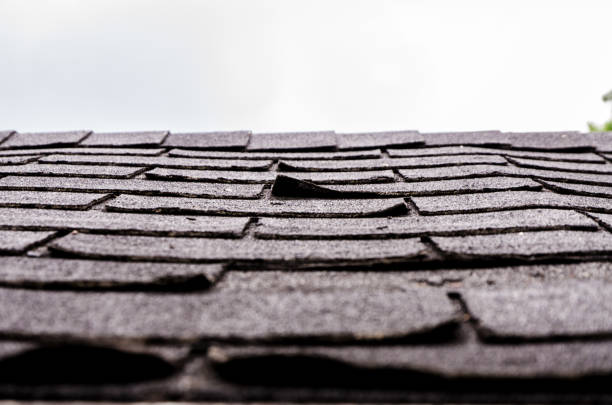
- Granule loss collecting in gutters (UV damage sign).
- Curling, cupping, or cracking edges (freeze-thaw and dryness).
- Fading color or dark streaks (algae, but often tied to aging).
- Minor leaks, especially around valleys/chimneys after snowmelt.
- Sagging decking or visible wear after 15–20 years.
If your roof is over 15–20 years old and showing these, get an inspection—even if it “looks okay” from the ground.
Factors That Can Extend (or Shorten) Your Roof’s Life
- Quality and type — Higher-grade architectural shingles with better UV protection last longer.
- Installation — Proper ventilation, underlayment, and flashing make a big difference.
- Maintenance — Annual inspections, gutter cleaning, tree trimming, and clearing snow/debris help a lot.
- Location — Higher spots (like Fairview) see more UV and wind; valley areas might fare slightly better.
- Upgrades — Impact-resistant shingles handle hail/snow better.
What About Replacement Costs in Utah?
When the time comes, expect to pay $8,000–$20,000+ for a full asphalt shingle replacement on an average home (depending on size, pitch, and extras). Costs have risen with materials/labor, so budgeting ahead pays off.
Bottom Line for Utah Homeowners
In our demanding climate, plan for an asphalt shingle roof to last 15–25 years realistically, with 20–30 years possible on premium setups with excellent care. If your roof is approaching or past 15–20 years (common in central Utah), proactive steps like inspections or rejuvenation treatments can buy time and delay a big replacement bill.
The smartest move? Schedule a free professional roof inspection from VP Roofing we know our weather. We can give you a personalized estimate based on your roof’s age, condition, and exposure.