The Dangers of Ignoring Roof Ventilation – Why Your Attic Needs to Breathe
Your roof does more than just keep the rain out—it’s part of a system that protects your entire home. One often-overlooked component is roof ventilation (also called attic ventilation). It allows hot air to escape in summer and moisture to vent out year-round, maintaining balanced temperatures and humidity levels in the attic.
Many homeowners ignore or underestimate it, thinking “out of sight, out of mind.” But neglecting proper ventilation can lead to silent, expensive, and sometimes hazardous damage. Here’s why paying attention matters.
1. Premature Roof Damage and Shorter Lifespan
 In summer, a poorly ventilated attic can trap heat, pushing temperatures to 150°F or higher—far above outdoor levels. This extreme heat bakes roofing materials like asphalt shingles, causing them to:
- Curl, crack, or peel
- Lose granules prematurely
- Become brittle and warp
Over time, this accelerates wear, potentially cutting your roof’s lifespan by 20-50% in some cases. What should last 20-30 years might need replacement much sooner, turning a routine expense into a major one.
2. Moisture Buildup, Mold, and Mildew Growth
Homes produce moisture daily—from cooking, showers, breathing, and laundry. Warm, humid air rises into the attic. Without good airflow, it condenses on cooler surfaces like rafters, sheathing, or insulation.
This trapped moisture creates ideal conditions for mold and mildew. Signs include:
- Musty odors in the attic or upper rooms
- Visible black or green patches on insulation or wood
- Damp, wet spots on plywood
Mold isn’t just unsightly—it damages wood, weakens structures, and spreads spores that harm indoor air quality and respiratory health.
3. Ice Dams in Winter – A Cold-Weather Nightmare
In colder climates, poor ventilation lets warm attic air heat the roof unevenly. Snow melts on warmer upper sections, runs down to colder eaves, and refreezes—forming ice dams.
 Ice barriers block drainage, forcing water under shingles and into your home. Consequences include:
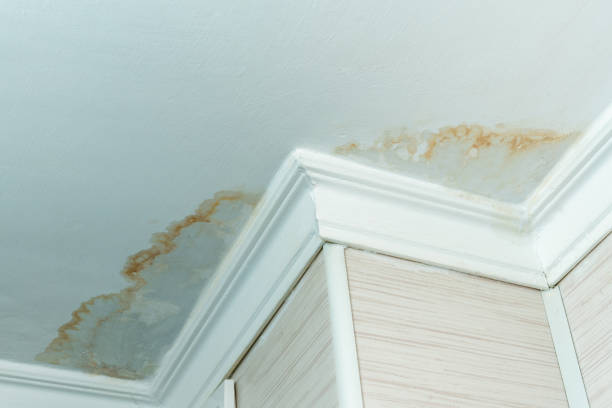
- Leaks staining ceilings and walls
- Damaged insulation
- Rotting wood
- Potential structural issues from repeated freeze-thaw cycles
Even one bad winter can cause thousands in water damage repairs.
4. Higher Energy Bills and Overworked HVAC
Excess attic heat transfers downward, making upper rooms feel hotter in summer. Your air conditioner works overtime to compensate, spiking energy use.
In winter, trapped moisture reduces insulation effectiveness (wet insulation loses R-value dramatically), forcing your heating system to run harder.
Homeowners often see noticeable jumps in utility bills—sometimes hundreds extra per year—without realizing poor ventilation is the culprit.
5. Structural Damage and Other Hidden Threats
Long-term issues compound:
- Wood rot in rafters, trusses, or decking → weakened roof support, sagging, or collapse risk
- Rust/corrosion on metal fasteners, vents, or plumbing
- Pest attraction (damp, warm spaces draw rodents, insects, etc.)
- Voided manufacturer warranties (many shingle warranties require proper ventilation)
These problems often stay hidden until major repairs are needed.
Common Warning Signs You Shouldn’t Ignore
Watch for these red flags
- Extremely hot attic (feel it on a summer day)
- Curling/peeling/cracked shingles
- Ice dams or icicles along eaves
- Musty smells or visible mold/mildew
- Higher-than-expected energy bills
- Condensation droplets on rafters/nails
- Stains on ceilings or walls
If you spot any, get a professional inspection soon—early fixes are far cheaper than full replacements.
The Bottom Line: Ventilation Is Cheap Insurance
Proper roof ventilation—through balanced intake (soffit vents) and exhaust (ridge, gable, or turbine vents)—is a low-cost feature that prevents high-cost disasters. It extends roof life, protects your home’s structure, improves energy efficiency, and safeguards health.
Don’t wait for visible damage. Schedule an attic/roof check, especially if your home is older or in an extreme climate. A small investment in better ventilation today can save you thousands tomorrow.
Your roof works hard to protect you—give it the airflow it needs to stay strong. Stay dry, stay cool, and stay safe!