One of the most frustrating things homeowners hear after a roof inspection is:
👉 “Your insurance approved a repair—not a full replacement.”
But here’s the truth:
Not all roofs can (or should) be repaired.
⚖️ Why Insurance Pushes Repairs
Insurance companies aim to:
Restore your roof at the lowest possible cost
So if they believe damage is “localized,” they’ll approve a repair—even when it’s not the best long-term solution.
🚩 When a Roof Should NOT Be Repaired
There are several situations where repairs don’t make sense:
1. Shingles Can’t Be Matched
If materials are discontinued or unavailable (often verified through ITEL Laboratories), repairs can leave your roof mismatched.
2. Roof Is Too Brittle
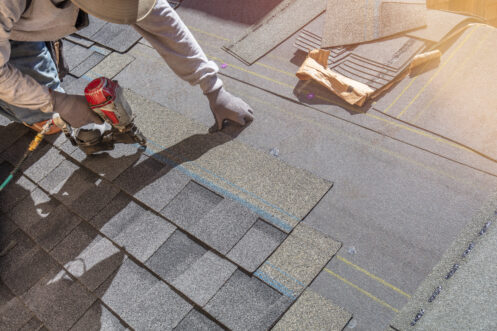
Older shingles can crack during repairs, causing more damage than they fix.
3. Damage Is Widespread
If storm damage affects multiple slopes, patchwork repairs may not restore the roof properly.
4. Code Requirements
Utah building codes may require upgrades that go beyond a simple repair.
💥 Real Issue With Repairs
Repairs can lead to:
- Leaks down the road
- Reduced lifespan
- Visible patchwork
- Lower home value
👉 Sometimes a “cheaper” repair ends up costing more long-term.
🔄 How Replacements Get Approved Instead
This is where experience matters.
A contractor can:
- Document full scope of damage
- Prove repairability issues
- Submit supplements
- Challenge the original scope
👉 Many “repair approvals” turn into full replacements after review
Final Takeaway
✔️ Insurance may default to repair
✔️ But repairs aren’t always appropriate
✔️ With the right documentation, replacement can be justified
🔥 Think Your Roof Should Be Replaced?
We help homeowners:
- Evaluate repair vs replacement
- Work directly with insurance
- Push for full approvals when justified
👉 Get a free inspection and second opinion today with us VP Roofing