What Is Ice & Water Shield and Why Utah Homes Need It
If you’re a homeowner in Utah—especially in places like Fairview or other snowy parts of the state—your roof faces unique challenges. Heavy snowfall, freeze-thaw cycles, and occasional ice buildup can turn a minor issue into major water damage. That’s where Ice & Water Shield (also called ice and water protector, leak barrier, or peel-and-stick underlayment) comes in. It’s a simple but powerful upgrade that many Utah roofs rely on for protection.
What Exactly Is Ice & Water Shield

Ice & Water Shield is a self-adhering, waterproof membrane made from polymer-modified bitumen (a rubberized asphalt) reinforced with fiberglass. It comes in rolls with a sticky backing that bonds directly to the roof deck (the plywood or OSB sheathing under your shingles).
Unlike standard felt underlayment (which is water-resistant but not fully waterproof), this material creates a 100% watertight seal. It self-seals around nails, staples, and fasteners, preventing water from sneaking through even if shingles get lifted or damaged.
It’s often called “peel and stick” because installers remove a protective film and press it onto the deck in vulnerable spots.
Where Is It Installed?
Builders and roofers typically apply it in high-risk areas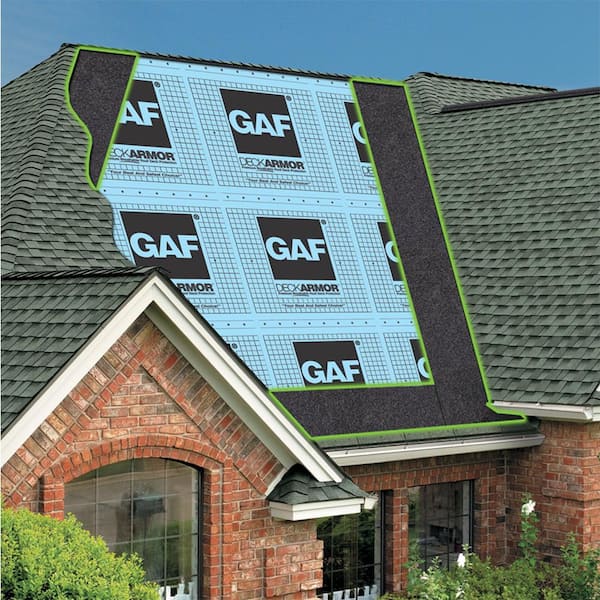
- Along the eaves (the lower edges of the roof)
- In valleys where two roof slopes meet
- Around chimneys, skylights, vents, and other penetrations
- Sometimes across the entire roof for extra protection in harsh climates
Building codes (like Utah’s adoption of the International Residential Code) often require it along eaves and in certain zones—extending at least 24 inches inside the exterior wall line, or more on steeper slopes.
Why Utah Homes Especially Need It
Utah’s climate mixes cold, snowy winters with dramatic temperature swings. Snow piles up, daytime sun or attic heat melts it, and nighttime freezes create ice dams—ridges of ice along the eaves that block normal drainage.
Water backs up behind the dam, pools, and gets forced under shingles. Without a strong barrier, it leaks into your attic, causing
- Stained ceilings and walls
- Mold and mildew growth
- Rot in rafters, insulation, or decking
- Expensive interior repairs
Ice dams are common in higher-elevation or northern Utah areas (and even valleys can see them during big storms). Ice & Water Shield acts as your roof’s last line of defense—it stops that backed-up water from reaching the wood deck, even if an ice dam forms or wind-driven rain hits hard.
Beyond ice dams:
- It guards against heavy spring runoff or summer thunderstorms.
- It helps in freeze-thaw damage, where expanding ice cracks materials.
- Many Utah building departments and roof replacements require it to meet code, especially for new installs or full re-roofs.
Skipping it might save a little upfront, but it risks voiding warranties, failing inspections, or facing thousands in leak repairs later.
Key Benefits for Utah Homeowners
- Prevents costly water intrusion from ice dams and heavy snow melt
- Extends roof lifespan by protecting the deck from rot and moisture
- Improves energy efficiency (dry insulation works better—no extra heating/cooling bills from leaks)
- Boosts home value and insurance peace of mind (many policies favor code-compliant upgrades)
- Self-seals for long-term reliability in Utah’s harsh weather
Warning Signs Your Roof Might Need It (or Already Has Issues

- Icicles hanging heavily along eaves
- Ice buildup blocking gutters
- Water stains on ceilings after snow
- Musty attic smells or visible moisture
- Older roof without recent updates
If you’re planning a roof replacement or noticing these, ask your roofer about adding (or upgrading to) Ice & Water Shield—especially in Fairview’s snowy Sanpete County winters.
The Bottom Line
Ice & Water Shield isn’t just an “extra”—in Utah, it’s smart, often-required insurance against one of our biggest winter threats: ice dams and water damage. It’s a relatively low-cost addition during installation that pays off big by keeping your home dry, structurally sound, and energy-efficient.
Protect your investment before the next big snow hits. Talk to VP Roofing about your setup—we’ll confirm if your roof has it and whether it’s time for an upgrade.
Stay warm, stay dry, Utah! Your roof will thank you.