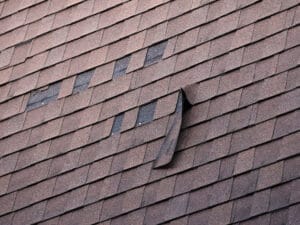
One of the most frustrating situations homeowners face after storm damage is receiving a partial insurance approval. Instead of covering a full roof replacement, the insurance company may only approve repairs to a small portion of the roof.
While this can feel like the end of the claim process, it often isn’t. Many partial approvals can be challenged, supplemented, or reopened when additional damage evidence or building code requirements are presented.
Understanding how this process works can help homeowners get the full scope of work their home actually needs.
Why Insurance Companies Approve Partial Roof Claims
Insurance adjusters typically approve partial repairs when they believe:
Only a limited section of the roof was damaged
The roof can be repaired instead of replaced
Damage is below the insurance company’s replacement threshold
Some damage is considered wear and tear rather than storm related
For example, an adjuster might approve replacing 10–20 shingles or repairing a small section of a slope instead of replacing the entire roof.
However, this initial estimate is often based on limited inspection time or missing documentation.
This is where contractors and supplements come into play.
Step 1: Review the Insurance Scope of Loss
After the adjuster inspection, the insurance company will provide a document called the Scope of Loss.
This document outlines:
What the insurance company approved
Labor and material pricing
Depreciation
Deductible
What was not approved
A contractor experienced in insurance restoration will review this estimate and compare it with what is actually required to complete the roof correctly.
Many times the estimate is missing:
Code upgrades
Proper flashing replacements
Ice and water shield
Ventilation requirements
Tear-off or decking costs


Step 2: Document Additional Damage
If the approved scope is incomplete, the next step is gathering additional documentation.
Contractors may perform:
ITEL Reports
Used to determine shingle manufacturer and availability for matching.
Repairability Tests
Used to determine whether shingles can be removed without damaging surrounding materials.
Brittle Tests
Used to show that shingles cannot be repaired due to age or brittleness.
Matching Reports
Used when discontinued shingles make spot repairs impossible.
If these tests prove repairs are not feasible, the insurance company may need to approve a larger replacement.

Step 3: Submit a Supplement
A supplement is a formal request asking the insurance company to revise their estimate.
Supplements often include:
Additional damage photos
Contractor inspection reports
Code compliance documentation
Updated material pricing
Line-item corrections in Xactimate
This process often results in the insurance company approving additional work and payments beyond the original estimate.
Utah Building Codes That Can Impact Roof Insurance Claims
One of the most effective ways contractors challenge partial approvals is through building code requirements.
Insurance policies often include Ordinance or Law coverage, which means the insurance company must pay for upgrades required by building codes when repairs are performed.
Utah follows the 2021 International Residential Code (IRC) with state amendments, which governs roofing installations.
Several IRC code sections commonly affect insurance roof claims.
IRC Ice and Water Shield Requirements
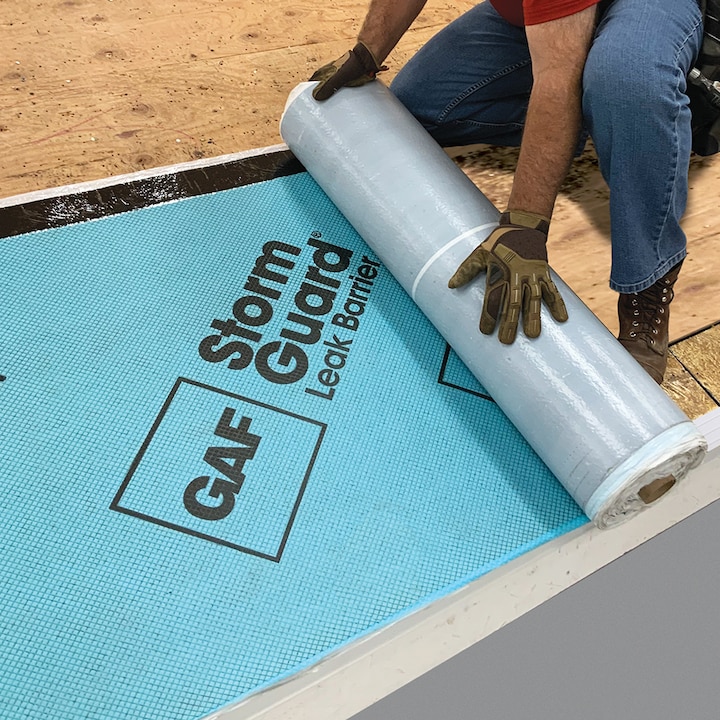
In cold climates like Utah, roofs must include ice barrier protection to prevent leaks caused by ice dams.
According to IRC roofing code, an ice barrier must be installed from the roof edge to at least 24 inches inside the exterior wall line of the building.
This typically means:
Ice and water shield on all eaves
Coverage that extends well past the exterior wall
Additional protection in valleys and penetrations
If a partial repair removes shingles at the eaves, the roofing contractor may be required to install this membrane to meet code.
If the insurance estimate did not include this material, it can be added through a supplement.
Why Repairs Sometimes Aren’t Possible
Insurance companies often assume roofs can simply be repaired.
However, several factors may prevent proper repairs:
Shingle Matching Issues
If the original shingles are discontinued, repairs may create visible mismatches.
Brittle Shingles
Older shingles may crack during removal, making repairs impossible.
Code Requirements
Replacing shingles in certain areas may require additional underlayment or flashing upgrades to meet current code.
Structural Concerns
Decking damage or ventilation issues may require additional work not included in the original estimate.
When these issues occur, a repair may no longer be viable, which can justify a full replacement.
Step 4: Request a Reinspection
If the insurance company initially denies or partially approves the claim, the next step is often requesting a reinspection.
During this inspection:
The contractor meets the adjuster onsite
Damage evidence is presented
Code requirements are explained
Additional areas of damage are reviewed
Many claims are revised during this stage.
Step 5: Escalating the Claim
If a reinspection still results in an unfair denial or partial approval, homeowners may have additional options.
These include:
Claim Escalation
Requesting a review from a senior adjuster.
Appraisal Process
A dispute resolution process defined in many insurance policies.
Public Adjuster Involvement
A licensed professional who represents the homeowner rather than the insurance company.
Why Having a Contractor Involved Matters
Roof insurance claims are technical, and small details can significantly affect the outcome.
Experienced roofing contractors often help homeowners by:
Documenting storm damage
Reviewing insurance estimates
Identifying missing scope items
Providing code compliance documentation
Meeting adjusters during reinspections
This collaboration helps ensure that the final repairs are both insurance approved and code compliant.
Final Thoughts
Receiving a partial roof insurance approval does not necessarily mean the claim is complete. Many claims are revised after additional damage evidence or building code requirements are presented.
For homeowners in Utah, working with a roofing contractor who understands both insurance restoration and IRC building codes can make a major difference in the outcome of the claim.
If your roof was damaged by a storm and the insurance company only approved partial repairs, scheduling a professional inspection with us and we will help determine
whether additional coverage is warranted!